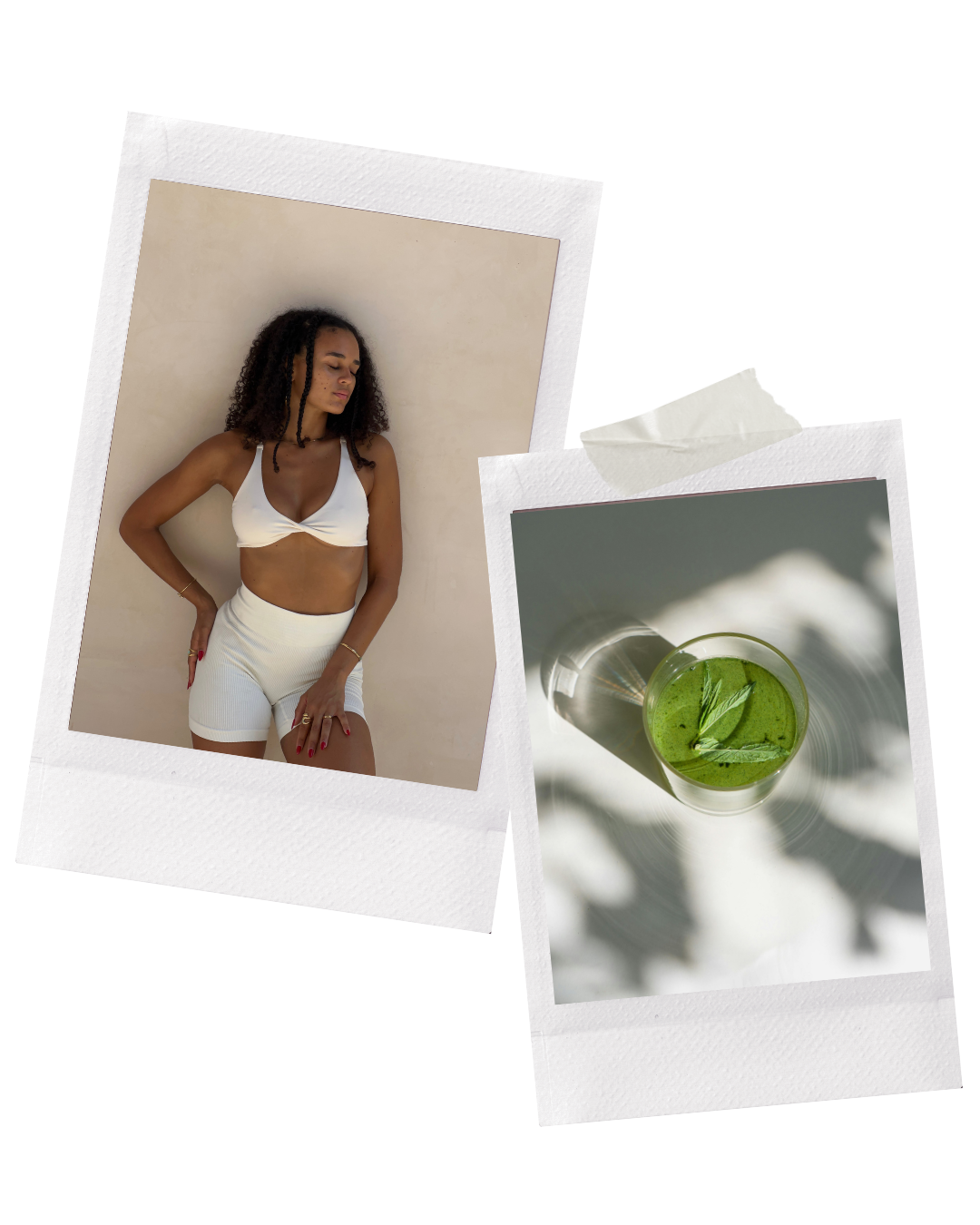

There is an Italian concept that has no real English translation, not because the words don’t exist, but because the experience itself has become so foreign to us that we wouldn’t know what to call it even if it showed up at our door.
Dolce far niente. The sweetness of doing nothing.
Not productivity in disguise. Not a bath with a podcast. Not “rest” scheduled between two other things on a Sunday to-do list.
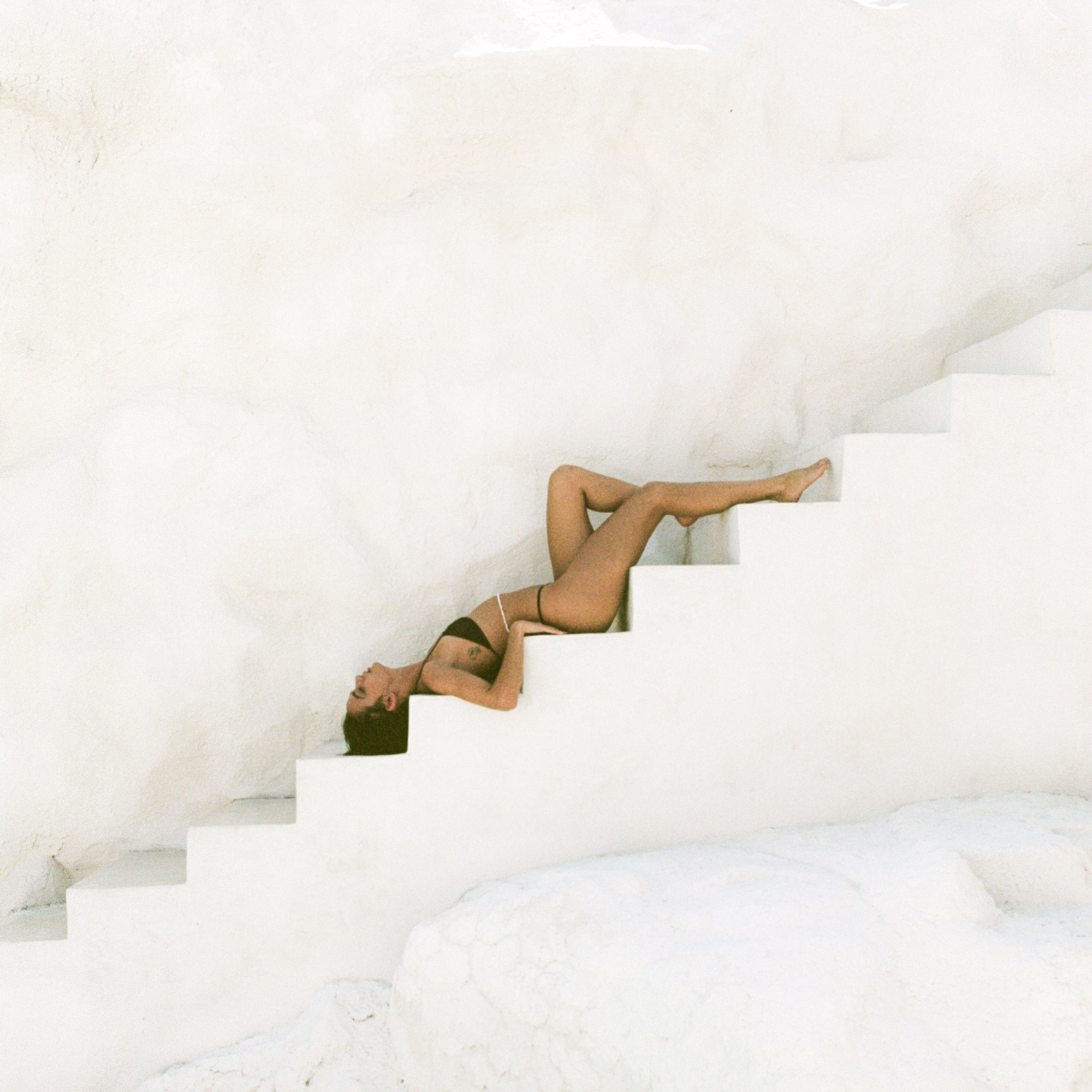
Actual, unstructured, purposeless nothing. Sitting in the sun because the sun is warm. Watching the water because the water is moving. Being somewhere fully, with no agenda attached to the being there.
The Italians don’t apologize for this. They consider it a skill.
We consider it a character flaw.
How We Ruined Rest
Somewhere along the way, rest got rebranded.
It became recovery, something you do so you can perform better tomorrow. It became self-care — something you document, optimize, and share. It became a wellness practice with a protocol and a product recommendation at the end.
And in doing all of that, we turned the one thing that was supposed to require nothing into something that requires everything.
We can’t just sit anymore. We sit and scroll. We lie down and listen to something. We take a walk and track it. We go on holiday and spend half of it making it look like a holiday worth having.
The doing nothing got quietly replaced with doing something that looks like nothing. And our nervous systems know the difference even when our Instagram feeds don’t.
What Actually Happens When You Stop
Here’s what the research says and what the Italians have known for centuries: unstructured rest — the kind with no input, no output, no goal — is when your brain does its most important work.
The default mode network, which activates specifically when you’re not focused on a task, is responsible for creativity, emotional processing, memory consolidation, and self-reflection. It only fully switches on when you give it genuine silence to work with.
Every time you fill a quiet moment with a podcast, a scroll, a story, a task — you interrupt that process. You stay productive on the surface while running on empty underneath.
Dolce far niente is far from laziness. It’s maintenance. The kind your brain is quietly begging for every time you reach for your phone out of habit rather than necessity.

What It Actually Looks Like
It doesn’t require Italy, although Italy helps.
It looks like sitting with your morning coffee before you open anything. Actually tasting it. Watching the light change.
It looks like lying in the grass or on the beach with nothing in your ears and nothing in your hands. Just the sensation of being a body in a place.
It looks like a meal eaten slowly, without a screen across from it. Noticing the food. Noticing how you feel eating it.
It looks like an afternoon with no plans that you resist the urge to fill. The discomfort of the first twenty minutes — because there will be discomfort — and then the slow, almost surprising settling that comes after.
It’s not about duration. An hour of genuine nothing does more than a weekend of performative rest. It’s about the quality of the emptiness.
The Permission Slip You Didn’t Know You Needed
The reason this is hard isn’t laziness. It’s that we’ve been taught, very thoroughly, that our worth is tied to our output. That a day without productivity is a day wasted. That rest must be earned and then justified.
Dolce far niente asks you to simply disagree with that.
Not loudly. Not as a manifesto. Just quietly, on a Tuesday afternoon, by putting your phone face down and sitting in the sun for twenty minutes with absolutely nothing to show for it.
The Italians call it sweetness for a reason, it’s pleasure. The simple, radical pleasure of being alive without needing to make anything of it.
Try it. Don’t document it.


About Synced
We write about the body, the mind, the rituals, the science, and the occasional beautiful waste of a Sunday afternoon. Honestly, with a little humor, and always with the assumption that you’re a smart woman who can make her own decisions.
Some women find Synced and learn something new. Most find it and finally feel like someone’s speaking their language.